| Dunhinda Falls | |
|
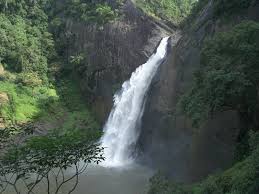
The Dunhinda Falls is one of Sri Lanka's most beautiful waterfalls located about 5 km off Badulla town. The waterfall, which is 210 feet (64 m) high gets its name from the smoky dew drops spray, (Dun in Sinhala means mist or smoke) which surrounds the area at the foot of the waterfall. The water fall is created by the river called Badulu Oya which goes through the Badulla town. |
| Diyaluma Falls | |
|
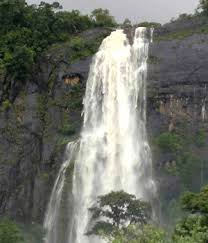
At 171m, this is the third highest fall in Sri Lanka. The torrent of water cascades down to the Koslande Plateau and during rain it is a spectacular sight. Sadly, this enchanting fall visible from the Koslande highway may disappear due to frequent landslides. On one side of the fall the land is covered in deciduous plants. Wildlife found in the area includes lizards. |
| Ravana Falls | |
|
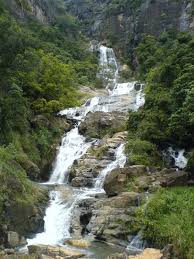
The Ravana Falls (popularly known as Ravana Ella in Sinhala) is a popular sightseeing attraction in Sri Lanka. It currently ranks as one of the widest falls in the country. This waterfall measures approximately 25 m (82 ft) in high and cascade from an oval-shaped concave rock outcrop. During the local wet season, the waterfall turns into what is said to resemble an areca flower with withering petals. But this is not the case in the dry season, where the flow of water reduces dramatically. The falls form part of the Ravana Ella Wildlife Sanctuary, and are located 2 km (1 mile) away from the local railway station. |
| Bambarakanda Falls | |
|
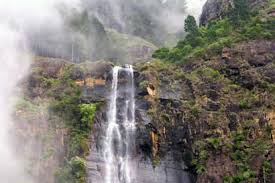
This falls, due to its sheer drop of 241m, is the highest in the whole of Sri Lanka. Set amid an evergreen forest, it is formed by the Uduweriya Haputale Mountains Kuda Oya (river), a tributary of the Walawe River. It cascades in a torrent (especially in the wet season) from a rocky outcrop into a deep, basin-like pool. To the left of the fall, centuries of wind and rain have formed what is said to resemble two embracing lovers out of the rock. |
| Lipton's seat | |
|
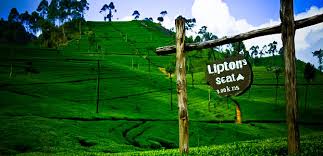
Located at the highest point of the tea plantation founded by Sir Lipton Thomas. The specialty of this place is, one can view from here five districts around Badulla when the weather is fine and free of mist. The largest tea factory in Sri Lanka and a beautiful tea plantation can be seen if one visits this site. Travelling along Dambetenna road that branches off at Haputhale on Colombo-Badulla high way one can reach this place. It is only 4kms away from Dambetenna. |
| Maduru Oya National Park | |
|
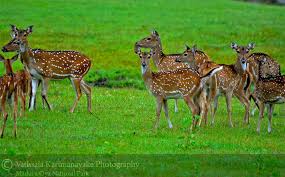
Maduru Oya National Park that spread between Polonnaruwa – Batticoloa road and Mahiyangana – Padiyathalawa road in the districts of Ampara, Badulla and Polonnaruwa. Maduru Oya is a one of the reservoir that designated under Mahaweli project as catchment area of Maduru Oya irrigation reservoir in 1983. It’s a paradise of elephants that attracts local and foreign tourists. |
| Udawalawe National Park | |
|
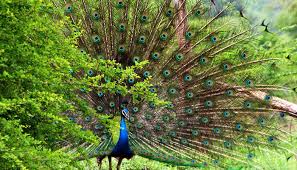
Udawalwe National Park, Sri Lanka is the best place in Asia to see herds of Asian Elephants, the pachyderms in the wild. Udawalawe National Park, that retains their leaves even during the dry season, is one of Sri Lanka's Dry-Zone Dry Evergreen Forests that harbours one of Asia'a largest & most viable Asian elephant (Elephas maximus) populations. The 30,821ha park was set up in the year 1972 to protect the catchment area of the man-made Rainwater Reservoir located at the south end of the River Walwe. At the same time the reserve was designated to provide sanctuary to wild elephants. |
| Mahiyangana Temple | |
|
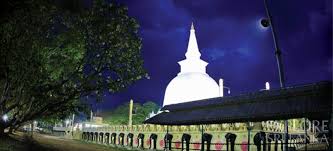
The ancient Mahiyngana stupa is located 1km south of the city center. The gleaming great white stupa built in the shape of a bell, sits pretty atop a massive platform. The sculptures of elephant heads built onto the platform stand proudly as if to guard the stupa. Mahiyanagana can be reached by Colombo – Kandy A1 main motor road and continuing along Kandy- Mahiyangana A26 main motor road. Mahiyangana temple is an ancient Buddhist temple in Sri Lanka. It is believed to be the site of Gautama Buddha's first visit to the country, and is one of the Solosmasthana, the 16 sacred religious locations in Sri Lanka. |
| Muthiyangana Temple | |
|
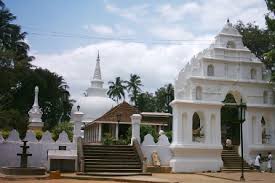
Muthiyangana Raja Maha Viharaya lies in the middle of the busy city of Baddulla in the Uva province. On the eighth year after attaining Nirvana (in the 5th century BC), the Buddha and 500 Arhaths visited this Island for the third time on the invitation of Naga King Maniakkika to to Kelaniya. On the same visit, Buddha came to Badulla on the invitation of the Deva King Indaka (now elevated to the Deity status), ruler of the Namunukula Mountain Range. At the same location where Buddha made his sermons, the King Indaka built a stupa enshrining some hair and mukthaka Dathu ( drops of sweat turned in to pearls) of Buddha. This is the birth of the Muthiyangana Stupa. This stupa and the temple has been expanded, reconstructed and renovated by many kings during the next 2500 years. |
| Buduruwagala Temple | |
|
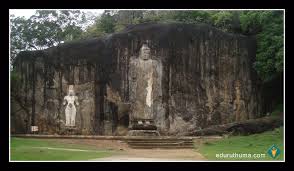
Buduruwagala is located about 5 km from the Wellawaya on the Thanamalwila road. The name Buduruwagala means “the rock with the statue of Buddha” And this is exactly what it is. Seven figured are carved in this rock with a massive 51 foot Buddha statue in the Abhaya Mudra gesture at the centre. The rock itself has shape of a kneeling elephant with its head own. Although there is no documented information about this site in the ancient scriptures, Different historians have dated these statues from the 6th centuary to late Anuradhapura period. (between 8 – 10 Century). |
| Dematamal Temple | |
|
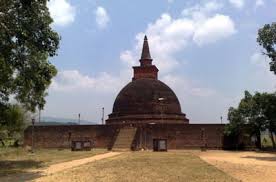
The Dematamal Viharaya is located at Helagama on the Buttala-Okkampitiya road which leads to theMaligawila Buddha Statues. The temple lies about 4 km from the Buttala town. Located in the middle of paddy field, you can see the dark coloured Stupa and the bo-tree surrounded by the green paddy from the road itself. Though much attention is not paid by the average tourist to history of the temple complex is said to date back to the 3rd century BC. It is believed that this is the temple that prince Tissa hid from his brother prince Gamini (some times called Gemunu, later king Dutugemunu) after a major battle for power at the location now called Yudaganawa. |
| Katharagama Dewalaya | |
|
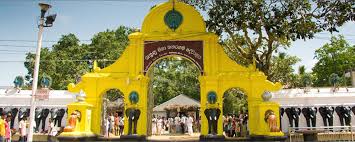
Kataragama is considered to be a multi religious city because it is visited by Buddhists, Hindus, Muslims and even Christians seeking divine intervention. Maha devale (Hindu shrine), Shiva kovil and ul-Khizr mosque are located within the sacred city of Kataragama. Kataragama God is indigenous to Sri Lanka and was named after the town in which his shrine was situated. It is believed that the Lord Buddha had met with king Mahasena in Kataragama during Buddha’s final visit to Sri Lanka. The main event held in this city is the Kataragama festival, which is held in July or August against the Esala Poya day. The festival is famous for the various modes of self mutilation such as flesh hooks, walking on burning coals and piercing one’s cheeks and tongue with skewers. |
| Bogoda Bridge | |
|
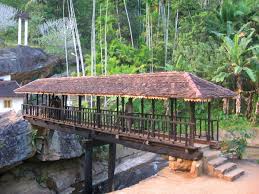
Bogoda Raja Maha Viharaya is most famous for its Wooden Bridge of the Kandyan Era. This bridge (popularly known as Bogoda Bridge) is built over the Gallanda Oya river which is a tributary of Mahaweli River and is only surviving bridge of such nature of this Era. The bridge initially made out wood without a single nail was in a very depleted state few years ago. This has been now renovated by Department of Archaeology. This bridge is thought to be lying on one of the ancient pilgrims paths from Kandy Kindom to the Uva province where there is a large number of important Buddhist shrines such as Muthiyanganaya. Another unique feature of the bridge is that this bridge comes with a roof clad in flat tiles of the Kandyan Period. The reason for this is unknown but it is thought that the bridge would havde been serving as Ambalama in addition to the main function. |